If you have Polish parents, grandparents, or earlier ancestors, you may have a path to Polish citizenship by descent. However, determining eligibility is not simply a matter of proving that someone in your family was born in Poland.
Polish citizenship cases often require careful review of family records, citizenship history, and historical laws.
What Is Polish Citizenship by Descent?
Polish citizenship by descent is generally based on the principle of jus sanguinis, or “right of blood.” In certain circumstances, Polish citizenship may have passed from a Polish ancestor to the next generation.
The key question is whether Polish citizenship was legally transmitted through your family line without being lost before the birth of the next generation.
What Documents May Be Needed?
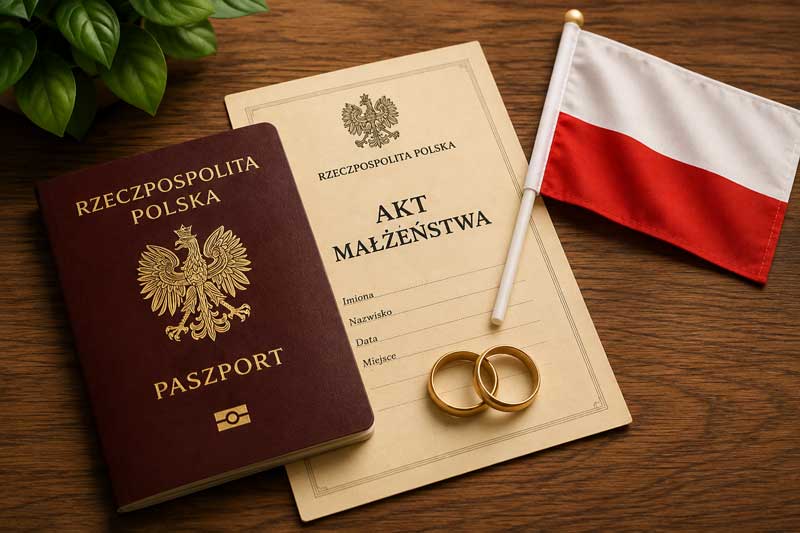
A citizenship case may require documents such as:
- Birth certificates
- Marriage certificates
- Polish passports or identity documents
- Naturalization records
- Military records
- Immigration documents
- Polish civil or church records
- Other historical documents establishing your family connection
Because records can be located in different countries and archives, genealogical research may be an important part of the process.
Why Historical Research Matters
Polish citizenship law has changed over time, and historical events may affect whether citizenship was retained or lost.
For this reason, a complete family history should be reviewed before determining whether a citizenship claim is viable.
What Should You Do Next?
If you believe you may have Polish ancestry, the first step is to gather the records you already have and establish your family line as far back as possible.
A professional review can then help identify missing records, potential issues, and the appropriate next steps.